DMT, or N, N-dimethyltryptamine, is a psychedelic compound currently being studied for its potential role in the treatment of several mental health conditions. While research remains ongoing, DMT has attracted clinical interest in part because of its distinct pharmacological profile and relatively short duration of effects.
Here, we take a closer look at what DMT is, how it affects the brain, and why researchers are studying DMT and related compounds in mental health care.
What is DMT?
DMT is a naturally occurring psychedelic compound found in a variety of plants and animals. Trace amounts have also been detected in the human body.
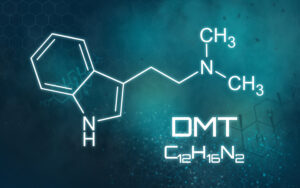
Structurally, DMT shares similarities with serotonin, a neurotransmitter involved in regulating mood, sleep, perception, and other functions.
DMT can produce a rapidly occurring altered state of consciousness characterized by significant changes in perception, thought, emotion, and a person’s sense of time and surroundings. The nature and intensity of these effects can vary considerably from person to person.
How Does DMT Work?
DMT primarily interacts with serotonin receptors in the brain, particularly the 5-HT2A receptor, which is believed to be a key mediator of its psychedelic effects. By engaging with these receptors, DMT can temporarily alter brain activity, leading to shifts in perception, thought, and emotion. This can manifest as:
- Intense Visual and Auditory Hallucinations: Patients often report vivid, immersive visual patterns, geometric shapes, and complex scenes, as well as altered auditory perceptions.
- Altered Sense of Time and Space: The experience can profoundly distort the perception of time, making minutes feel like hours, and alter one’s sense of their physical body and surroundings.
- Emotional and Spiritual Experiences: Many individuals report feelings of euphoria, profound introspection, self-reflection, and even spiritual or mystical insights, sometimes leading to a sense of ego dissolution or encounters with entities.
The exact mechanisms by which DMT exerts its therapeutic effects are still being researched, but it’s hypothesized that these intense experiences, when coupled with therapeutic support, may offer new perspectives, break negative thought patterns, and facilitate emotional processing.
Duration of Effects
One of DMT’s distinguishing characteristics is its relatively short duration of action compared with many other classic psychedelics. Depending on the formulation and method of administration being studied, effects may begin rapidly and can be considerably shorter in duration than those associated with compounds such as psilocybin.
Duration is an important area of research because it may influence how psychedelic therapies could eventually be delivered within medical settings. However, a shorter drug effect does not necessarily mean a shorter course of care.
Psychedelic-assisted therapy research may involve screening and assessment, preparation before dosing, medical and therapeutic support during a dosing session, and integration afterward. The compound is therefore best understood within the context of the broader clinical protocol in which it is administered.
DMT in clinical research
Researchers are investigating DMT and related compounds for their potential application across a range of mental health conditions.
Sunstone has participated in clinical research evaluating DMT and DMT-related investigational compounds, including studies involving treatment-resistant depression and generalized anxiety disorder. These studies contribute to a growing body of research examining the safety, tolerability, and potential therapeutic applications of these compounds.
As with other investigational psychedelic therapies, important questions remain. Continued clinical research is necessary to better understand which patients may be appropriate candidates, how these treatments may be safely delivered, and what role therapeutic and medical support may play in patient outcomes.
Looking beyond the compound
As psychedelic research advances, it can be tempting to focus primarily on differences among compounds: how they work, how intense their effects may be, or how long a dosing session lasts. But the compound is only one component of psychedelic-assisted therapy.
At Sunstone, our clinical research has reinforced the importance of the broader care model surrounding the dosing experience—including careful screening, preparation, medical oversight, therapeutic support, and integration. Understanding DMT therefore means understanding not only what the compound does, but also the clinical context in which investigational psychedelic therapies are being studied.
Interested in psychedelic-assisted therapy research?
Explore Sunstone’s currently enrolling clinical trials to learn more about research opportunities and eligibility.