All of us have heard a song or piece of music that brings us back to a particular memory. Music can relax us, energize us, or stir emotions we weren’t expecting. It is part of the fabric of our lives, and it can also be an important part of the psychedelic therapy experience.
Because of music’s ability to affect mood, memory and emotion, it is more than a soundtrack playing in the background. Music can be an intervention in and of itself.
During a dosing session, music provides a through-line of movement. A patient may be immersed in a difficult emotion or memory, but the music will eventually change. A new track may introduce a different sound or emotional tone, evoke a memory, or simply offer something interesting or pleasing to focus on.
In this way, music can serve as a reminder that the experience itself is always moving and changing. The music may be comforting at times and challenging at others, but both responses can potentially be useful.
From silence to sound
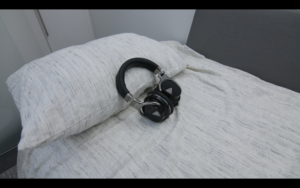
The connection between music and altered states of consciousness is not new. Music has been used as part of ritual and ceremonial practices for thousands of years, and it has also been incorporated into Western psychedelic research since its early days.
Music, however, was not always part of the research environment. In some early psychedelic research sessions, participants spent hours in relatively sterile rooms with little sensory stimulation and no music. Researchers came to recognize that these low-stimulus environments could be distressing for participants.
The use of music developed, in part, from a growing understanding that the environment surrounding a psychedelic experience matters. Rather than simply filling the silence, music became one element that could help support the experience.
There’s no such thing as neutral music
Choosing music is complicated. Every person brings different autobiographical, emotional and cultural associations to what they hear. A piece that feels peaceful to one person may feel melancholic, distracting, or even unsettling to someone else.
While some approaches have sought music that is relatively “neutral,” there really is no such thing. Music contributes to the experience, which means playlist design requires intentionality.
Different approaches to curating playlists have emerged over time. Some include music rich in overtones, while others incorporate choral music, chanting, or pieces with spiritual associations. Others rely more heavily on nature sounds or ambient soundscapes.
Any of these choices may affect a patient differently. A person may love a piece of music, dislike it, feel moved by it, or experience an unexpected aversion to it. All of those responses can become part of the experience.
That is why those designing playlists—serving, in some ways, as the DJs of the dosing session—need to be conscious of what the music may introduce. The goal is not to dictate a patient’s experience but to recognize that music inevitably contributes to it.
Patient agency remains important. The patient and the therapist can discuss music during the preparation stage and address possible reactions. During the dosing session, patients can ask for the volume to be lowered or choose silence. Music is available as part of the therapeutic environment rather than something that must be imposed on the experience.
Using music during integration
Music’s role may continue after the dosing session ends. Because of the strong emotional and autobiographical connections people can make with music, a playlist can provide another way to reconnect with and reflect on an experience during integration.
Some participants choose to listen to the playlist again and find that the music helps them reconnect with emotions, memories, or a sense of calm they experienced during the dosing session. Others may simply play it in the background while going about their day and notice what thoughts or feelings arise.
These practices do not need to be prescribed. Participants can be given access to the playlist and decide for themselves whether—and how—they want to return to it.
There is still much to learn about why music can have such a powerful effect during psychedelic therapy and why those connections may persist afterward. But its role also reflects something humans have understood for a very long time: music can shape emotion, evoke memory and change how we experience a moment.
In psychedelic therapy, that makes music much more than background sound. It makes music part of the experience itself.