Exploring the science, process, and potential of an emerging approach to care
While traditional psychotherapy and medication remain important parts of mental healthcare, researchers are exploring new approaches that are designed for individuals who have not achieved an adequate response to traditional modalities.
Research suggests that psychedelic-assisted therapy may offer meaningful benefits for some individuals when delivered within a rigorous medical and therapeutic framework.
What is psychedelic-assisted therapy?
Psychedelic-assisted therapy is an emerging treatment model that combines psychedelic compounds with psychotherapy. Investigational compounds include psilocybin, MDMA, LSD, and 5-MeO-DMT. Ketamine is FDA-approved in certain clinical settings for treatment-resistant depression.
Psychedelic-assisted therapy typically involves a carefully designed sequence of care that includes:
- Preparation sessions with trained therapists
- One or more medically supervised dosing sessions
- Integration sessions to help process and apply the experience
This therapeutic framework reflects an important principle: the compound is one component of the treatment—not the treatment itself. The therapeutic relationship, preparation, and integration are equally important parts of the overall care model.
How do psychedelics work?
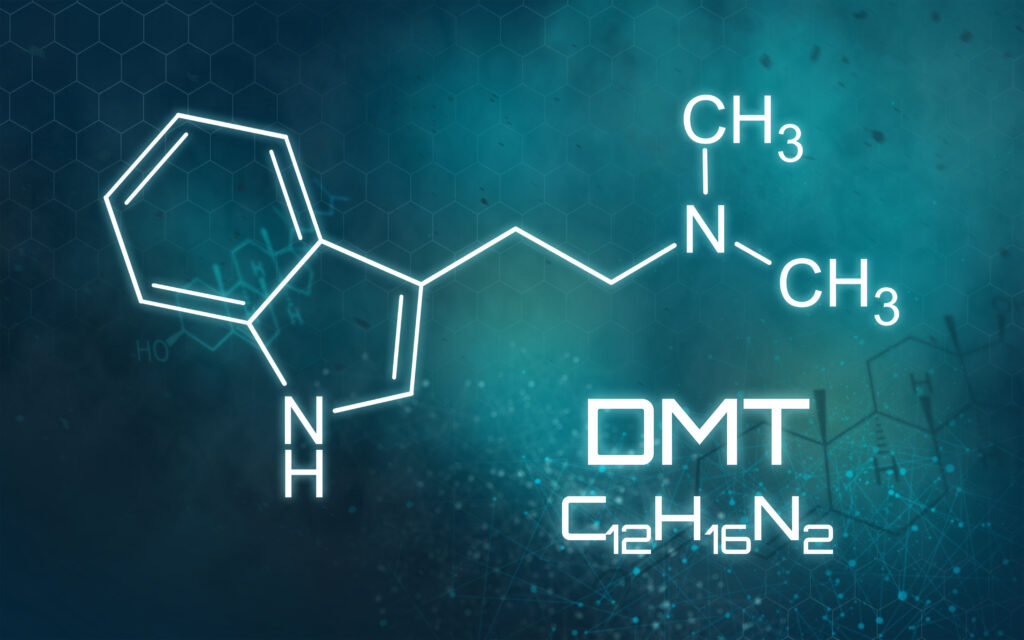
Researchers are still learning exactly how psychedelics produce their therapeutic effects. Classical psychedelics—including psilocybin, LSD, and DMT—primarily interact with serotonin receptors in the brain, particularly the 5-HT2A receptor. These interactions appear to influence patterns of brain communication, emotional processing, and cognitive flexibility.
Other compounds, such as ketamine and MDMA, work through different neurobiological mechanisms but may similarly create conditions that support new ways of processing difficult thoughts and emotions.
Scientists believe that psychedelics may temporarily increase neuroplasticity—the brain’s ability to form new connections—which may help individuals revisit deeply established patterns from a different perspective.
The subjective experience varies considerably from person to person and is influenced by factors such as personal history, mindset, therapeutic support, and environment
Why is therapy important?
One of the defining characteristics of psychedelic-assisted therapy is the structured therapeutic process.
During a psychedelic session, thoughts, memories, and emotions may become more accessible than they are during everyday consciousness. Individuals may revisit longstanding emotional patterns, traumatic experiences, or deeply held beliefs about themselves from a new perspective. Rather than avoiding difficult experiences, therapy provides a safe environment in which they can be explored with trained clinicians. Providers support meaningful psychological work that can continue after the dosing session.
The therapeutic relationship – between the therapist and the patient – itself plays a critical role in helping participants safely navigate these experiences and translate them into lasting change.
Understanding the treatment process
Clinical trials evaluating psychedelic-assisted therapy generally follow a structured model designed to maximize safety and therapeutic benefit.
Preparation comes first. Participants spend time building trust with their therapy team, discussing personal history, setting expectations, and developing skills that may help them navigate challenging emotions should they arise.
The dosing session takes place in a carefully controlled environment under the supervision of trained professionals. Throughout the session, therapists provide support while allowing participants’ experiences to unfold naturally rather than directing them toward specific outcomes.
Integration follows the dosing session. During these therapy sessions, participants reflect on what emerged during the experience and explore how those insights relate to everyday life. Integration often becomes the site of lasting therapeutic work, helping individuals translate insights into meaningful behavioral, emotional, or relational change.
Rather than viewing the psychedelic experience as the destination, many researchers increasingly understand it as one part of a broader, long-term mental healthcare journey.
What conditions are being studied?
Today, psychedelic-assisted therapy remains an emerging area of clinical research. Investigators are evaluating its potential across a range of mental health and medical conditions, including:

- End-of-life psychological distress
- Major Depressive Disorder (MDD)
- Treatment-Resistant Depression (TRD)
- Post-Traumatic Stress Disorder (PTSD)
- Generalized Anxiety Disorder (GAD)
- Obsessive Compulsive Disorder (OCD)
- Alcohol Use Disorder
- Eating Disorders
- Emotional distress associated with serious or advanced illness
- Adjustment Disorder
- Fibromyalgia pain management
Why safety and structure matter
Psychedelic medicines can produce profound changes in perception, emotion, and awareness. Because these experiences can also be emotionally intense or challenging, providers require specialized training and careful clinical oversight.
At Sunstone Therapies, the focus extends well beyond the dosing sessions. Clinicians, mental health professionals, and leading experts in this field are studying and designing key aspects of this treatment: Preparation, integration, comfort and trust with the clinician team, and a supportive environment with long-term monitoring.
This care model reflects the understanding that lasting psychological change is built through relationship, structure, and time—not through a single experience alone.
Looking ahead
While many questions remain, early findings suggest psychedelic-assisted therapy may offer new possibilities for individuals living with conditions that have not benefited from conventional approaches alone.
One principle has become increasingly clear: psychedelic-assisted therapy is not defined by the compound itself, but the care surrounding it. Careful screening, thoughtful preparation, skilled therapeutic support, and meaningful integration are what transform a psychedelic experience into a structured clinical intervention.
For individuals interested in learning more, participating in clinical research offers an opportunity to contribute to the growing scientific understanding of these therapies while receiving care within a carefully designed and medically supervised treatment model.
Start Your Journey Here
We’ll be here with you for every step. If you still have questions, our trained staff can answer most of all your questions. No obligation and payment necessary.
Related Resources

Music as part of the psychedelic intervention
In psychedelic therapy, music is more than background sound. It is part of the experience.

Getting started with Sunstone Therapies
Learn more about how Sunstone Therapies approaches psychedelic-assisted therapy.

Is a clinical trial right for you?
Whether or not a clinical trial is right for you, understanding your options is an important first step.